
Glass (Broken/Intact) Waste Recycling Guidelines
All clean, empty glass ware, including broken glass or glass slides with NO chemicals or fixed tissues can be recycled.
Important Safety Note:
- Do not mix sharps with glass waste—this box should only contain glass items.
- Collection containers should not exceed over 15 pounds. Avoid overloading the box to ensure the safety of the custodian
Preparation:
- Ensure the glass is clean and empty. If the containers held chemicals, triple rinse them and collect the rinse as hazardous waste.
- Remove or deface any hazardous labeling or identifying markers on the containers.
Boxing for Recycling:
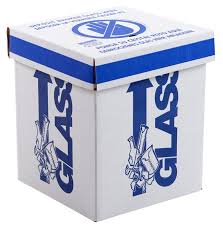
- Place the clean lab glass in a sturdy, sealed box labeled "Glass for Recycling."
- Any intact cardboard or ridge wall box will work, including commercially available broken glass boxes, as long as it can safely hold the contents for disposal by custodial staff.
Disposal:
- Once the box is 2/3 full or weighs around 15 pounds, tape close (DO NOT use label or general office tape) and place it in the corridor for daily pickup. Avoid overloading the box to ensure the safety of the custodians
Large Quantities:
- If you have more than 15 pounds or multiple boxes, submit a Facilities Service Request for assistance with disposal.
- UCLA Sustainability - Specialty Recycling Information
Lab Glass Waste with Hazards
For laboratory glass waste information visit the following pages:
- Sharps Contaminated with Chemicals - glass is considered a sharp even if intact as it has the potential of breaking and cutting
- Tissues or Specimens with Chemical Fixatives Or Perfusion Material- pathology samples such as samples on slides are covered